

Every act of resistance is a testament to the resilience of a people who refuse to surrender their future.
The Dallas Morning News | By Ali Soudjani | Feb. 5, 2026
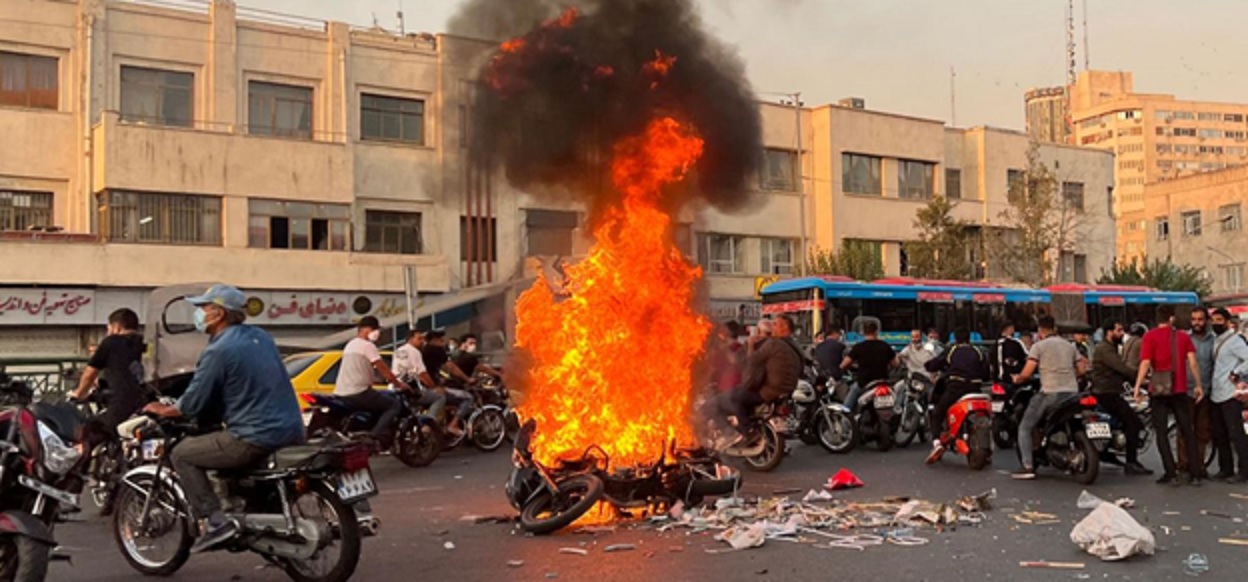
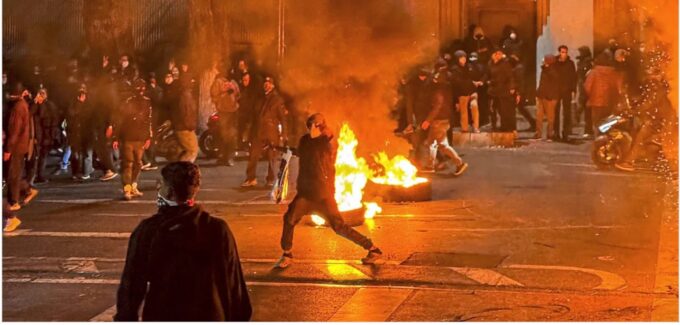
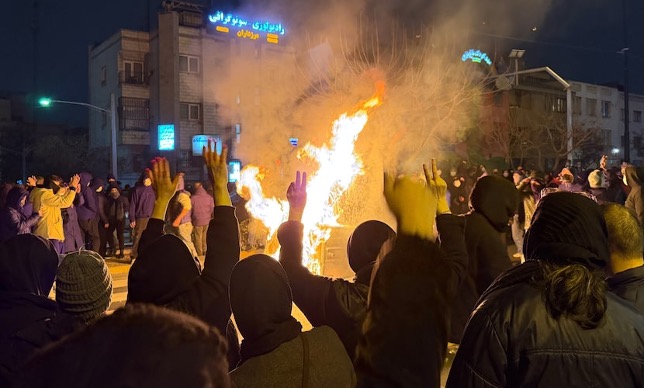
Iran has been convulsed by protests for weeks that stretched across more than a hundred cities. The demonstrations were not fleeting outbursts but a sustained cry for change on the street, in bazaars and on university campuses.
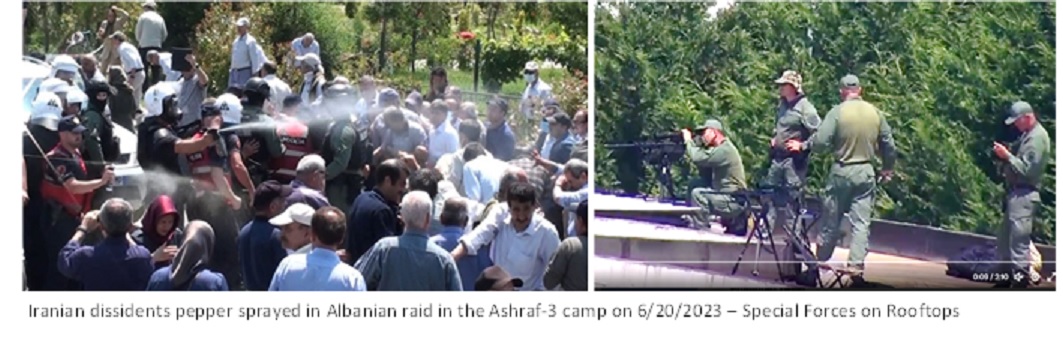
They came at a terrible cost. The regime has responded with brutal force, deploying violent security units to crush dissent and escalating executions to record levels — more than 2,000 last year alone. While the executions have ceased for now, the overall death toll has reportedly surpassed 3,900 since the new wave of protests began, and 50,000 have been arrested, according to a human rights group. The regime’s campaign of brutality and terror is designed to silence a nation yearning for liberty.
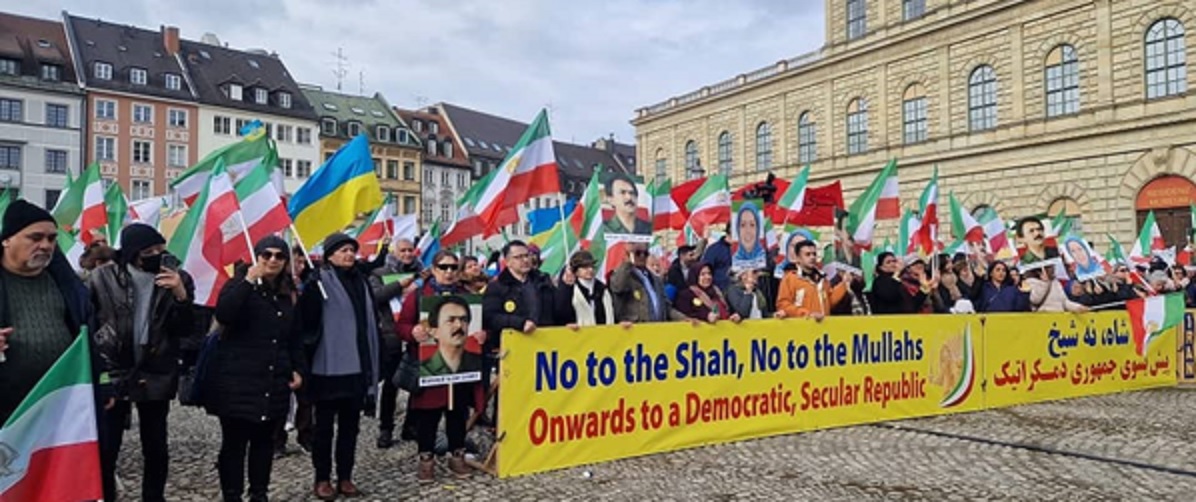
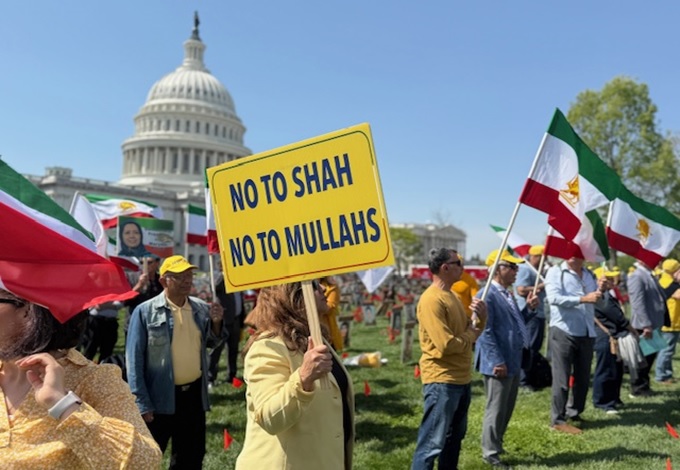
What do these protesters want? Their demands are neither ambiguous nor trivial. They are calling for a system where political authority derives from the people, not from clerics or monarchs, not from hereditary privilege or divine claims. Their aspiration is rooted in decades of struggle against authoritarianism and reflects a profound desire for a government that serves rather than subjugates.
The slogans ringing out in Tehran and beyond reject the fusion of religion and political power. For years, the regime has cloaked its repression in the language of faith, conflating piety with obedience. Protesters are tearing down that façade. Their chants make clear that theocracy has no place in Iran’s future. They envision a secular state where belief is a private matter, not a tool of domination.
Alongside this rejection of clerical rule is an insistence on fundamental civil liberties. Freedom of expression, freedom of assembly and protection from arbitrary arrest are not luxuries, the protesters say. They are the bedrock of any society that claims to respect human dignity. These demands are urgent because the regime has weaponized law to criminalize dissent, turning every act of speech into a potential death sentence. Protesters are risking everything to reclaim rights that should never have been denied.
Women are at the forefront of this movement. They are joined by students, workers and ethnic minorities. Their presence underscores a demand for equal status and an end to systemic discrimination that has long relegated vast segments of Iranian society to the margins. This is not merely a political uprising; it is a social reckoning, a declaration that equality is non-negotiable.
Economic grievances have also merged with calls for justice, amplifying the urgency of reform. Years of corruption and mismanagement have hollowed out Iran’s economy, leaving millions in despair and a growing number in poverty. Protesters are demanding accountability for financial ruin and for the blood spilled in the name of preserving power. They want those responsible for violence and graft to face consequences.
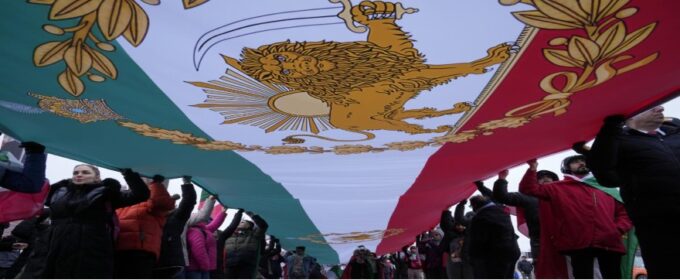
These protests are not isolated. They are part of a struggle that has endured despite executions, torture and relentless propaganda. The regime’s attempt to crush dissent through fear will fail because fear cannot extinguish hope. Every chant, every march, every act of resistance is a testament to the resilience of a people who refuse to surrender their future.
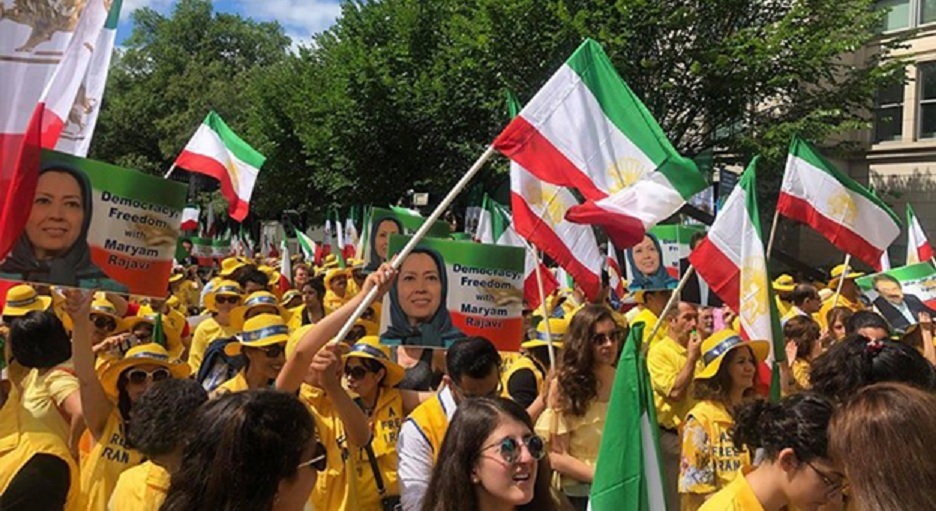
Iran stands at a crossroads. The world must recognize that these demonstrations are not about incremental reform. They are about transformation. The protesters are articulating a vision of governance rooted in democratic elections, civil rights and equality. They reject theocracy and monarchy.
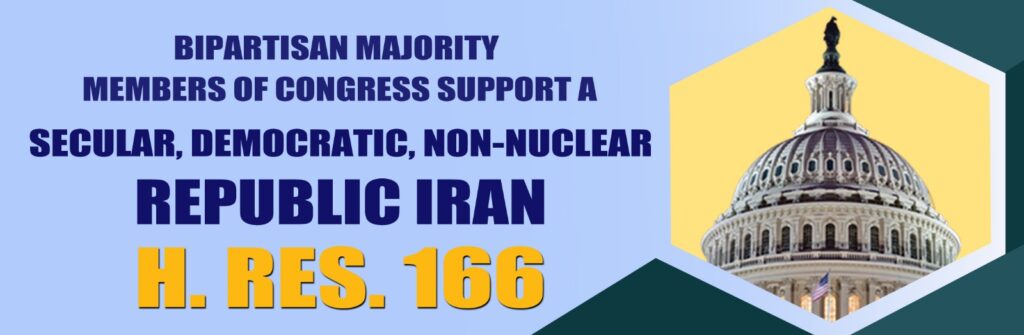
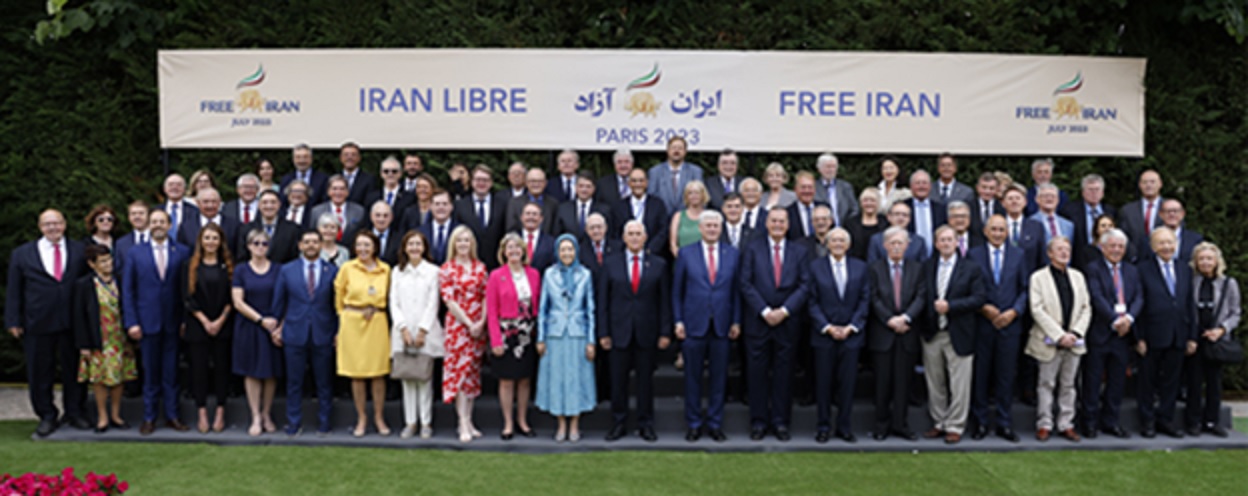
Over the past many years, bipartisan voices in the U.S. Senate have consistently stood with the Iranian people in their struggle for freedom and dignity. Sens. John Cornyn and Ted Cruz of Texas have repeatedly spoken out against the Iranian regime’s human rights abuses, mass executions and repression, while affirming the right of Iranians to determine their own democratic future. Through public statements, legislative initiatives and sustained engagement, they have made clear that the aspirations of the Iranian people—for liberty, popular sovereignty and an end to all forms of dictatorship—deserve international recognition and support.
History teaches that when citizens rise against tyranny, they do so not for abstract ideals but for the tangible promise of freedom. That promise is what is animating Iran’s streets today. It is what drives women to burn symbols of oppression, students to defy armed guards and workers to strike despite threats of execution. It is a promise that cannot be fulfilled by cosmetic changes or recycled elites. It requires a new political order that reflects the will of the people and honors their sacrifices.
No doubt, the regime will continue its campaign of brutality. It will try to fracture the movement, to sow fear and despair. But the chants echoing across Iran tell a story of defiance, of unity, of a nation that refuses to be chained by the past. The question is not whether Iranians want change. The question is whether the world will stand with them as they fight for the future they deserve.
Ali Soudjani is president of the Iranian American Community of Texas.